Most students are using AI, but might not be prepared for AI-powered workplaces

Three quarters of students are using generative AI for schoolwork, but 59% of educators believe Canada’s education system isn’t preparing students for a workplace where AI is a standard tool, according to a recent KPMG study. The Big Four firm surveyed 1,009 Canadians aged 18+ who attend or work at a high school, vocational school, college, or university.
AI adoption has outpaced guidance and training in the area, with only 53% of students saying they have received formal instruction on how to use AI responsibly for academic work. Likewise, only 46% of educators believe students are receiving enough guidance on responsible AI.
“Many students already find AI as familiar as using a search engine or calculator for their assignments. The issue is that adoption happened faster than building the systems needed to teach students how to use these tools responsibly,” said Rob Clayton, partner and national education practice leader at KPMG Canada. “Students need to understand when AI can enhance learning and when they need to rely on their own judgment, analysis and critical-thinking abilities.”
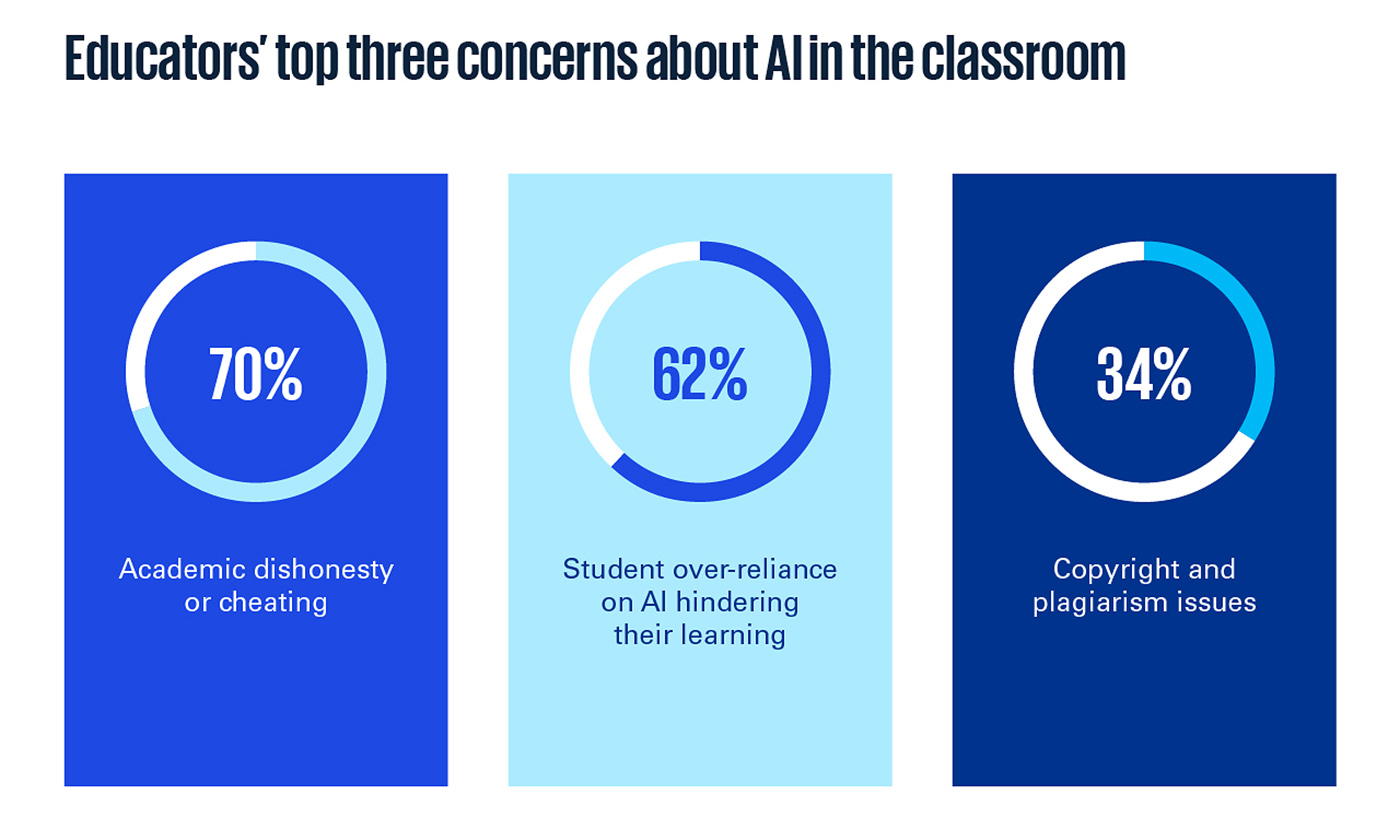
Nearly 80% of educators think students should receive instruction on responsible and ethical use of AI, while 70% of students say schools should offer more courses on how to use generative AI.
Students have favourable views of AI, with over three-quarters saying it has improved the quality of their schoolwork and 81% saying it has helped them better understand course material.
However, students also admit that AI is having a negative impact on development of critical thinking skills – one of the core reasons for education. Fifty-one percent say their critical thinking skills have deteriorated under AI use, while 69% say their peers rely on AI to avoid critical thinking.
And herein lies the key issue – why would employers hire workers whose brain has been functionally replaced by Claude? What value does someone provide when they cannot deliver anything beyond the results of an AI prompt?
“The challenge now is designing learning environments that encourage students to think, question, collaborate, and apply their knowledge in new ways,” said Jameel Ahamed, partner and national leader of data platforms and AI at KPMG Canada. “AI is prompting educators to reimagine how learning happens inside and outside of the classroom. The educational institutions that embrace this change will be in a better position to equip students with the skills and confidence needed to thrive in rapidly evolving workplaces.”